Keeping Comfort Flowing With Expert Heating and AC Repair

A well-functioning heating and air conditioning system is at the heart of a comfortable living space. Whether it’s the height of summer or the middle of a cold winter, climate control keeps homes and workplaces livable. But like any mechanical system, heating and AC units can break down over time, requiring timely repairs to restore performance and efficiency. Understanding the basics of heating and AC repair helps property owners protect their investment, avoid costly breakdowns, and maintain a comfortable environment year-round.
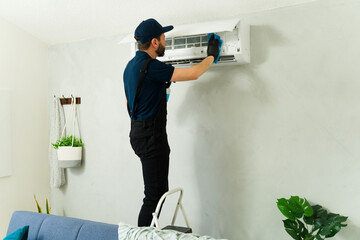
air conditioning

Why Timely Repairs Matter

Heating and cooling systems work hard to regulate indoor temperatures, filter air, and manage humidity. Over time, parts wear out, filters clog, and minor issues arise. If left unaddressed, small problems can escalate into major failures. A loose belt today could mean a broken blower tomorrow; a minor refrigerant leak might evolve into a full system shutdown.

Prompt repair not only prevents discomfort but also saves money. Systems running with damaged or inefficient components consume more energy, increasing utility bills. By tackling issues early, you extend the lifespan of your equipment and maintain optimal performance.

Common Signs of Trouble

Recognizing the warning signs of heating or AC problems can help you schedule repairs before a breakdown occurs. Some of the most common red flags include:

  • Unusual noises such as banging, squealing, or rattling
  • Uneven heating or cooling, where some rooms feel too hot or too cold
  • Weak airflow from vents or registers
  • Frequent cycling, where the system turns on and off more than normal
  • Strange odors, like burning or mustiness, are coming from the unit
  • Rising energy bills despite consistent usage

If you notice any of these issues, it’s wise to arrange for a professional inspection. Early detection can reduce the extent of the damage and repair costs.

The Repair Process

Heating and AC repair typically begins with a diagnostic assessment. A technician examines the unit, tests its components, and identifies the underlying issue. Depending on the diagnosis, repairs might involve:

  • Replacing worn belts, bearings, or motors
  • Cleaning or replacing clogged filters
  • Fixing refrigerant leaks and recharging the system
  • Repairing or replacing thermostats and electrical controls
  • Clearing condensate drains to prevent water damage
  • Sealing ductwork leaks to improve airflow

Modern systems are complex, combining mechanical, electrical, and digital components. This makes it important to rely on trained professionals with the right tools and knowledge to perform repairs safely and correctly.

Preventive Maintenance Saves Money

One of the best ways to minimize repairs is through preventive maintenance. Regular tune-ups catch small issues before they become big problems. Maintenance tasks may include:

  • Inspecting and cleaning coils
  • Lubricating moving parts
  • Checking refrigerant levels
  • Testing safety controls
  • Calibrating thermostats
  • Tightening electrical connections

When maintenance is performed consistently, heating and AC units run more efficiently, use less energy, and last longer. Think of it as an investment in comfort and cost control.

DIY vs. Professional Repair

While homeowners can handle simple tasks like changing air filters, most heating and AC repairs require specialized training. These systems contain high-voltage components, refrigerants, and delicate parts that can be hazardous or expensive to replace if mishandled.

Attempting a complex repair without proper skills can lead to more damage or void warranties. Professionals not only have the right tools and safety training but can also spot hidden issues you might miss. This expertise ultimately saves time, money, and frustration.

Energy Efficiency Benefits

Well-maintained and properly repaired systems don’t just keep you comfortable—they also conserve energy. When components work as designed, the system uses less power to achieve the desired temperature. This lowers utility bills and reduces environmental impact.

Upgrades to programmable thermostats, high-efficiency filters, or improved duct sealing can further enhance performance. Even if your system is older, regular repairs and tune-ups can significantly improve its efficiency until you’re ready for a replacement.

Seasonal Considerations

Scheduling repairs and maintenance before peak seasons is a smart move. For instance, have your air conditioning checked in spring before summer heat arrives, and inspect your heating system in fall before winter sets in. This proactive approach ensures your system is ready to perform when you need it most and avoids emergency calls during busy times.

The Importance of Air Quality

Heating and cooling systems do more than regulate temperature; they also influence indoor air quality. Dirty filters, clogged ducts, or malfunctioning components can circulate dust, allergens, and pollutants. Regular repairs and cleaning improve airflow and filtration, creating a healthier indoor environment.

This is especially important for households with children, older adults, or anyone with respiratory sensitivities. Proper maintenance and prompt repairs can make a tangible difference in comfort and well-being.

Extending System Lifespan

A heating or AC unit is a significant investment, and repairs help protect it. Addressing problems promptly prevents further wear on interconnected parts. For example, a faulty blower motor can strain the entire system, causing additional failures if ignored.

By combining timely repairs with regular maintenance, you can add years to your system’s life, delaying the cost of replacement and maximizing your return on investment.

Planning for the Future

Even with the best care, no system lasts forever. Regular repairs and check-ups give you a clearer picture of your system’s overall health, helping you plan for eventual replacement. Knowing when your unit is nearing the end of its lifespan allows you to budget and choose an energy-efficient upgrade rather than rushing into an emergency purchase.

Peace of Mind in Every Season

There’s no overstating the comfort of walking into a perfectly heated or cooled space. Reliable heating and AC repair services ensure that comfort is never compromised for long. By being attentive to warning signs, scheduling routine maintenance, and relying on trained professionals for repairs, you can keep your system running smoothly throughout the year.

Whether it’s the sweltering days of summer or the icy nights of winter, a well-maintained system means you’ll always have a refuge from the elements. The effort you put into timely repairs today translates into steady performance, lower costs, and a healthier indoor environment tomorrow.


Cabinet Painting Process for Wood Cabinets

cabinet refinishing

Cabinet Painting Sacramento is a low-effort and affordable way to elevate the look of your kitchen. Choosing the right cabinet paint can make the difference between a successful and a failed project.

When changing your cabinet color, start with a high-quality primer. A favorite of professional painters is Fresh Start High-Hiding All-Purpose Primer.

Preparation

If you have wood cabinets, you can upgrade your kitchen with a fresh coat of paint. Cabinet painting is a large undertaking and requires lots of prep work to ensure the final product looks good and holds up well over time. It also requires special skills to do it right, which is why it’s best to leave this project to a professional.

First, empty out your cabinets and remove the doors, drawers, and hardware. Label them with painter’s tape so you can reinstall them correctly when the job is done. Next, clean all surfaces with a degreaser solution or trisodium phosphate (TSP) cleaner to remove grease and oil. This step is important since it will make the finish look better and last longer.

Once the surface is clean, sand everything using a medium-grit sandpaper. This will create a smooth surface for primer and paint to adhere to. Then vacuum and wipe down all surfaces to make sure you’re not leaving any dust or debris behind that could compromise the finish.

Now that your cabinets are prepped and ready for priming, it’s time to choose the color and type of finish you want. You can choose a glossy sheen for maximum durability, or a semi-gloss for a more subtle look that’s easy to clean.

When choosing a sheen, you’ll need to consider how much light will reflect off the cabinets and whether or not you want your kitchen to be bright and airy. A high sheen will bounce more light off the cabinets, while a matte or satin finish will absorb the light.

At this point, your cabinet painting crew will mask off anything that shouldn’t be sprayed or dusted, such as countertops, backsplashes, windows, and fixed appliances. They’ll also set up a protected workstation in the garage or a deck area to minimize disruptions to your home life and eliminate any chance of overspray.

Once the cabinets are prepped and ready for painting, they’ll be sprayed with an oil-based primer. This will help the primer cabinet enamel paint bond and adhere to the surfaces. It will also prevent tannin bleed-through, which is common in knotty wood. Then the cabinets will be sprayed with 2 topcoats of primer cabinet enamel paint, which will provide a hard, gloss finish that can stand up to scuffing and wear.

Primer

A coat of high-quality primer is a must for cabinet painting because it provides a surface that the finishing paint can bond with. Primer also helps the finished paint last longer and look better. It can be tinted to match the color of the final coating, and it will help reduce the number of paint coats required for even coverage.

If you wander the paint aisles at your local home improvement store, you’ll see a variety of primers to choose from. Many of these are formulated to be used with specific types of paint, and it’s important to select the right primer for your project. If you’re going to paint wood cabinets, for example, you should use a wood-specific primer such as KILZ 3(r) Premium Primer. This primer offers superior adhesion, hides imperfections and stains, and contains mildew-resistant ingredients that prevent mold growth in moisture-prone areas such as the kitchen.

Depending on the type of cabinet finish you want, you may need to apply two or three coats of primer before starting with your final coating. It’s important to wait for the primer to dry between each application, and it’s a good idea to do this in a well-ventilated area. Using the correct primer for your job can make the difference between a durable, long-lasting finish and one that easily flakes or peels.

Before applying the first coat of paint, it’s a good idea to lightly sand the surfaces of your cabinets. A sanding block or very fine 220-grit sandpaper should be used to smooth any rough spots. Then, you’ll need to wipe away any dust that remains.

After your primer has dried, you’ll be ready to begin painting the cabinet frames and doors. Start with the backside of the frames and work your way to the front, using a brush for corners and detailed areas. Once you’ve completed the frame and door surfaces, let the paint dry according to the manufacturer’s instructions. This usually takes a few hours, but it can take up to 24 hours in some cases.

Paint

Painting cabinets is a great way to update your kitchen without doing a full remodel. Whether you want to brighten the room with a bold color or give your kitchen an updated look, cabinet painting can dramatically change the space. But before you take the DIY approach, consider hiring a professional. There is more to painting cabinets than meets the eye, and if you don’t have the proper skills or tools, you can end up with a less-than-stellar result.

Before you can begin the paint stage, it’s important to determine the type of finish you’re looking for. Depending on the material (wood or laminate), you may need to use different products and prep techniques. For example, wood cabinets require a primer that is specifically formulated for the material and will provide adequate adhesion. Many common household primers won’t hold up to the frequent handling, moisture, grease, and other wear and tear that cabinets endure.

If the cabinets are in good condition, you can begin by prepping them for paint. First, remove all doors and drawer fronts and set them aside in a safe place. Next, empty the cabinets and wipe down all surfaces with a trisodium phosphate cleaner to remove any grime or grease. Once the surfaces are dry, you can begin the sanding process. Using a hand or power sander, carefully sand all surfaces until they are smooth. This step is very important, as it helps the new paint adhere properly to the surface and reduces chipping later on.

Once all of the surfaces are sanded and prepped, it’s time to begin the actual painting process. It’s important to apply the paint in even coats and allow each coat to dry completely before applying the next. When you’re ready to start, make sure to use a high-quality latex paint that is formulated for cabinets. This will ensure that your cabinets stand up to the everyday wear and tear of a busy kitchen.

One of the biggest mistakes homeowners make when painting their own cabinets is skipping the priming process. This step is extremely important, as it provides the foundation for a long-lasting and beautiful finish. A quality primer, such as KILZ 3(r) Premium Primer, will help prevent chipping and peeling in the future and is also mildew-resistant to combat moisture in a kitchen.

Finish

The final stage in the cabinet painting process is applying a clear coat of finish to protect your investment and provide a beautiful surface that will last. You can choose a gloss, semi-gloss, or satin sheen, depending on your personal preferences and the amount of sheen you want to achieve. The clear coat is applied after the stain has dried, so it’s important to make sure that all of the work you’ve done has had enough time to set.

The cabinet painting process usually takes several days, allowing adequate time for thorough preparation, multiple paint applications, and drying/curing between each coat. It’s also important to make sure that you’re working in a well-ventilated area, so be sure to open windows and use a fan to keep the air moving. This is especially important if you’re using oil-based products, which will take longer to dry and have a stronger odor than water-based products.

Cabinet painting offers homeowners a powerful and effective alternative to expensive and disruptive kitchen renovations. This strategic home improvement technique provides an aesthetically-pleasing and durable transformation that saves between 30-50% compared to total cabinet replacement.

Professional cabinet painters know that the quality of your finished product depends on meticulous surface preparation and high-quality materials. Choosing primers and paints specifically designed for cabinetry ensures optimal adhesion and durability, allowing your finished cabinets to resist everyday kitchen wear and tear.

When it comes to the actual cabinet painting, experienced professionals utilize precise brushwork and spray application techniques to ensure flawless results. This ensures a smooth and even application, eliminating the need for touch-ups or additional coatings that can diminish the overall look of your project.

While it is possible to complete a cabinet painting project yourself, the process requires extensive experience and equipment to ensure the best possible outcome. If you’re not confident in your abilities to perform a professional-grade job, hiring a local and licensed painting contractor is the best way to ensure the results you desire.

If you’re interested in transforming your existing cabinetry, be sure to contact a local, trusted, and licensed painting company for a free consultation. They can assess your space and provide a detailed quote for your cabinet painting project.

Professional Mice Removal Services and How They Prevent Future Infestations

Mice infestations are more than a minor nuisance; they are a persistent problem that can affect health, safety, and property integrity when left unaddressed. These small rodents are highly adaptable, capable of entering buildings through tiny openings and surviving in a wide range of conditions. Once inside, they reproduce quickly and establish nesting areas that are difficult to detect early. Professional Mice Removal Service Texas is designed to tackle this challenge with a structured, long-term approach that goes beyond temporary fixes and focuses on preventing future infestations.

mice removal

Unlike short-term solutions, professional services take into account mouse behavior, environmental conditions, and structural vulnerabilities. The goal is not only to remove the existing mice but also to eliminate the factors that allowed them to enter and thrive in the first place. This comprehensive strategy is what makes professional mice removal services a reliable choice for both residential and commercial properties.

Why Mice Infestations Require Professional Attention

Mice are skilled survivors that can adapt quickly to changes in their environment. They are nocturnal, cautious, and capable of hiding in walls, ceilings, crawl spaces, and storage areas. Because of these behaviors, infestations often go unnoticed until the population has grown significantly. By the time signs are obvious, simple do-it-yourself methods are rarely sufficient.

Professional mice removal services bring experience and specialized knowledge to the process. Trained technicians understand where mice are likely to nest, how they travel within structures, and what conditions attract them. This expertise allows for a more accurate assessment and a targeted response that addresses the infestation at its source rather than just its symptoms.

Common Causes of Recurring Mice Infestations

Recurring mice infestations often occur when only part of the problem is addressed. Removing visible mice without sealing entry points or improving sanitation creates an open invitation for new rodents to move in. Properties that provide easy access to food, water, and shelter are especially vulnerable.

Some of the most common causes of repeated infestations include:

  1. Unsealed gaps around doors, windows, vents, and utility lines.
  2. Poor food storage and waste management practices.

Professional mice removal services focus on identifying these underlying causes and correcting them. By doing so, they reduce the likelihood of future infestations and provide a more durable solution.

Health Risks Associated With Mice Activity

Mice pose serious health risks due to their ability to carry and spread bacteria and pathogens. Their droppings, urine, and nesting materials can contaminate surfaces, food supplies, and indoor air. In enclosed spaces, airborne particles from mouse waste can contribute to respiratory issues and allergic reactions.

Food contamination is a major concern in both homes and commercial environments. Mice frequently move between unsanitary areas and food storage spaces, increasing the risk of illness. Professional mice removal services help mitigate these risks by eliminating infestations promptly and advising on sanitation practices that reduce exposure.

Property Damage Caused by Mice Infestations

Beyond health concerns, mice are notorious for causing property damage. Their constantly growing teeth compel them to gnaw on various materials, including wood, plastic, insulation, and electrical wiring. This behavior can compromise structural components and create fire hazards due to damaged wiring.

Mice also destroy stored items and building materials when creating nests. Over time, this damage can become extensive and costly to repair. Professional mice removal services help prevent further destruction by removing mice early and reinforcing vulnerable areas to protect the property long term.

The Limitations of Short-Term Mice Control Methods

Many property owners attempt to handle mice problems using traps or repellents, but these methods often provide limited results. While they may reduce the visible mouse population temporarily, they rarely address nesting sites, entry points, or attractants. As a result, mice return once conditions remain favorable.

Short-term methods also lack proper monitoring. Without ongoing evaluation, it is difficult to determine whether an infestation has been fully resolved. Professional mice removal services offer a more reliable alternative by combining removal, prevention, and follow-up into a single, cohesive strategy.

How Professional Mice Removal Services Operate

Professional mice removal services follow a step-by-step process designed to achieve long-term control. The first stage is a thorough inspection of the property. This inspection identifies signs of mouse activity, nesting locations, travel paths, and structural vulnerabilities. Understanding the full extent of the infestation allows for a more effective response.

After the inspection, a customized removal plan is developed. This plan considers the size of the infestation, the type of structure, and the specific conditions present. Implementation is followed by monitoring and adjustments as needed. This systematic approach ensures that mice are removed safely and that future infestations are prevented.

Key Elements of Professional Mice Removal Services

Effective mice removal relies on a combination of techniques that work together to eliminate current infestations and prevent new ones. Each element plays a crucial role in achieving long-term results.

Core components typically include:

  1. Strategic removal methods based on mouse behavior and activity patterns.
  2. Exclusion techniques that block entry points and prevent access.

Additional elements often involve sanitation guidance and environmental adjustments. When combined, these measures create a comprehensive defense against mice.

Exclusion as a Foundation for Prevention

Exclusion is one of the most important aspects of preventing future infestations. Mice can squeeze through extremely small openings, making thorough sealing essential. Entry points are commonly found around foundations, vents, doors, windows, and utility penetrations.

Professional mice removal services use durable materials to seal these openings, ensuring they remain resistant to gnawing and environmental wear. By closing off access routes, exclusion prevents mice from re-entering after removal efforts are completed, making it a cornerstone of long-term control.

The Role of Sanitation in Long-Term Mice Control

Sanitation plays a critical role in preventing mice infestations. Mice are attracted to readily available food and water sources, and cluttered environments provide ideal nesting opportunities. Without proper sanitation, even well-sealed properties may still attract rodents.

Professional mice removal services often include recommendations for improving sanitation. Proper food storage, regular waste disposal, and consistent cleaning routines reduce the appeal of a property. These practices support exclusion efforts and help maintain a mouse-resistant environment over time.

Monitoring and Follow-Up to Prevent Reinfestation

One of the key advantages of professional mice removal services is ongoing monitoring. Mouse activity can fluctuate, and new vulnerabilities may develop over time. Regular follow-up allows professionals to confirm that control measures remain effective and to address any new signs of activity early.

Monitoring also provides peace of mind for property owners. Knowing that the situation is being actively managed reduces uncertainty and stress. This proactive approach is essential for preventing small issues from becoming large infestations again.

Professional Mice Removal Services for Homes

Residential properties present unique challenges due to their layout, storage habits, and daily activities. Kitchens, pantries, garages, and attics are common areas where mice find food and shelter. Professional mice removal services for homes focus on protecting families from health risks while preserving comfort and safety.

Customized solutions take into account household routines and safety concerns. Education on prevention and maintenance empowers homeowners to support long-term control efforts. With professional assistance, homes can remain protected against recurring mice problems.

Professional Mice Removal Services for Commercial Properties

Commercial properties often face higher risks due to frequent deliveries, increased foot traffic, and larger storage areas. These conditions make consistent prevention essential. Professional mice removal services for commercial environments emphasize regular inspections and documented control measures.

Preventive strategies help protect inventory, maintain hygiene standards, and reduce operational disruptions. Long-term service plans ensure that mice issues are addressed proactively, supporting business continuity and compliance expectations.

How Professional Services Reduce Long-Term Costs

While professional mice removal services require an upfront investment, they often reduce long-term costs significantly. Preventing repeated infestations minimizes damage repairs, product loss, and sanitation expenses. Early intervention also reduces the need for extensive treatments later.

By focusing on prevention, professional services provide value that extends beyond immediate results. The reduction in recurring problems leads to savings over time and protects property value.

When to Seek Professional Mice Removal Services

Professional mice removal services should be sought as soon as signs of infestation are noticed. Delaying action allows mice populations to grow and increases health and property risks. Repeated sightings, persistent noises, or evidence of damage indicate that professional intervention is necessary.

Early involvement leads to more efficient control and better outcomes. Professional assessments provide clarity and direction, ensuring that the right measures are implemented promptly.

The Long-Term Benefits of Professional Mice Removal

The long-term benefits of professional mice removal services extend beyond eliminating current infestations. Improved sanitation, sealed structures, and ongoing monitoring create a more resilient environment. These improvements reduce vulnerability to future infestations and contribute to overall property health.

Professional services also offer peace of mind. Knowing that experienced professionals are managing the situation allows property owners to focus on daily activities without constant concern.

Final Thoughts on Preventing Future Mice Infestations

Professional mice removal services play a vital role in preventing future infestations by addressing both the symptoms and the root causes of the problem. Through detailed inspections, effective removal methods, exclusion, sanitation guidance, and ongoing monitoring, these services deliver long-term protection.

Mice infestations are unlikely to resolve on their own, and temporary solutions often fall short. Investing in professional mice removal services is a proactive step toward maintaining a safe, clean, and secure environment. With the right approach, it is possible to eliminate mice issues and prevent them from returning for the long term.